


A studio consultancy built by crew
trendreel was founded in York in 2012 by Helen Carter, who spent years as a studio manager in regional television. That background still shapes how we work: we think about the person fixing a fault at speed, not just the diagram.
We work with producers, studio managers and technical crews at broadcasters, production companies and venues. Our brief is usually the same: make live programmes steadier, cleaner on air and easier for a team to run.
Every installation follows simple, well-labelled signal flow and a written plan. We would rather hand over a studio your crew understands completely than one that only we can operate.
About →Our work in plain figures
-
2012
Founded
trendreel
-
5
Service areas
Studio Equipment Integration, Camera Setup and Technique, Acoustic Optimisation, Lighting Design, Production Workflow Planning
-
4
Team profiles
Helen Carter, James Whitfield, Priya Sharma, Tom Ellison
From first visit to a steady transmission
Survey the studio and crew
We visit the space, measure the room, look at existing equipment and talk to the people who run it. This shows where problems really start, whether in the signal path, the sound or the habits of the team.
What you leave withA written survey of the room, the equipment and the main risks.
Agree a plan on paper
We set out signal flow, camera positions, microphone plans and lighting plots in a form your whole crew can read. Choices are explained, so producers and engineers decide together before anything is bought or fitted.
What you leave withA signed-off plan with drawings, equipment list and scope.
Install and commission
Equipment is wired, labelled and tested as one system. Vision mixer, router, monitoring and intercom are checked against the plan, and each fault found is recorded and fixed before sign-off.
What you leave withA commissioned studio with labelled wiring and a test record.
Rehearse with the crew
We run full rehearsals with your operators, presenters and gallery staff, adjusting camera moves, cues and levels. Run-sheets and checklists are tried under realistic pressure, not just written down.
What you leave withRun-sheets and checklists that your crew has already used.
Hand over and stay reachable
We walk the crew through the system, leave clear documentation and explain how to fix the most likely faults. If something behaves oddly after handover, you can call us and we will look at it.
What you leave withA handover pack and a named contact for follow-up questions.
Five areas that make a live studio dependable
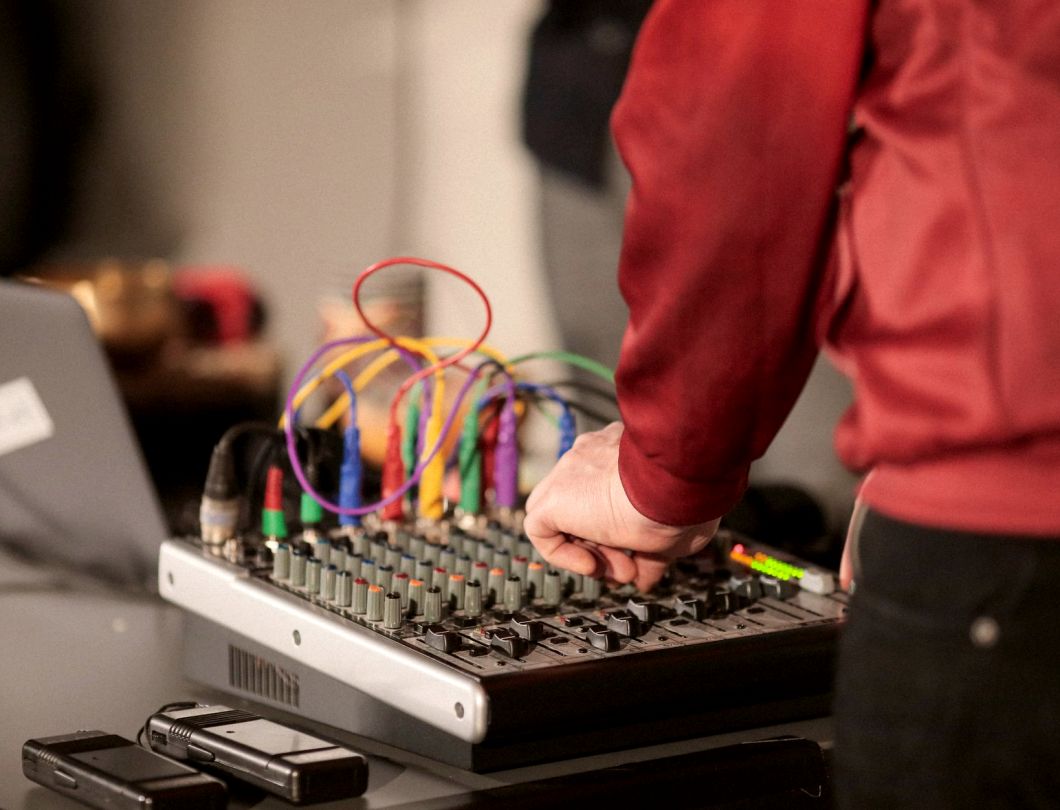
Studio Equipment Integration
We specify, wire and commission vision mixers, routers, monitoring and intercom so a studio runs as one system.
Camera Setup and Technique
Camera positioning, lens choice and operator guidance for news desks, interviews and multi-camera live shows.
Acoustic Optimisation
Room measurement, treatment and microphone planning to give clean, consistent speech on air.
Lighting Design
Lighting plots and fixture setups for flattering, consistent images across presenters, guests and sets.
Production Workflow Planning
Run-sheets, checklists and rehearsal routines that keep live programmes steady from rehearsal to transmission.
Tell us what the programme is and who runs it. We will suggest which services apply and put the scope in writing before any work begins.
ServicesPractical habits behind every installation
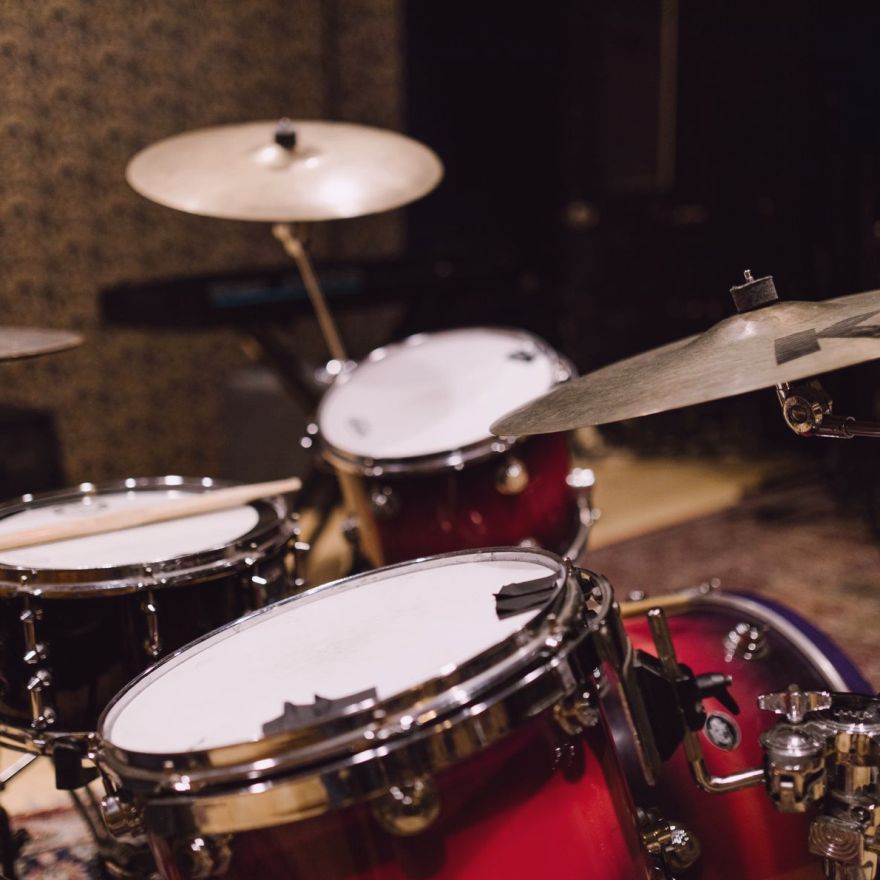
Clear, labelled systems
Cables, ports and patch points are named so that a tired operator can trace a fault quickly during a live programme.
Training for operators
Camera, sound and lighting staff practise repeatable techniques with us, so quality does not depend on one person being on shift.
Rehearsal before air
We rehearse run-sheets and fallback routines with the real crew, so surprises are met with a plan rather than a scramble.
What reliable live television really depends on
Most failures on live programmes are not dramatic equipment breakdowns. They come from small, unclear things: an unlabelled input, a microphone placed too close to a hard wall, a light that flatters one guest and not the next, or a cue that only one person knows.
That is why we treat the studio as a single system rather than a list of purchases. A good vision mixer will not rescue a room with poor acoustics, and a careful lighting plot will not help if the camera positions were decided last.
We start by understanding how a programme is made on the day: who speaks, who moves, who calls the shots and what happens when something goes wrong. The equipment plan follows from that, not the other way round.
Crews differ, and so do rooms. A news desk with a fixed presenter has different needs from a multi-camera interview set or a venue running a live show for an audience. We adjust the plan to the programme and keep it as simple as the job allows.
Finally, we put things in writing. Run-sheets, checklists, wiring records and lighting plots stay with your team, so the knowledge does not leave when we do and new crew members can learn from the documents.
What a survey covers
- Signal flow and labelling across the gallery and studio
- Camera positions, lens choices and operator reach
- Room acoustics and microphone placement
- Lighting coverage, colour consistency and set layout
- Run-sheets, cue routines and fallback procedures
- Crew roles and how they work together on the day
Details of the work, from desk to transmission
-
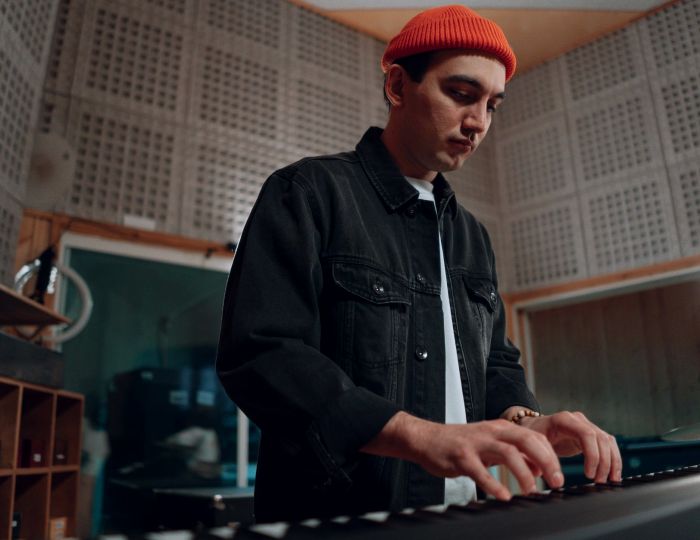
Vision mixer and monitor wall
The gallery is wired so each source is easy to find and label. Monitoring is arranged so the director sees what the viewer will see and can spot problems early.
-
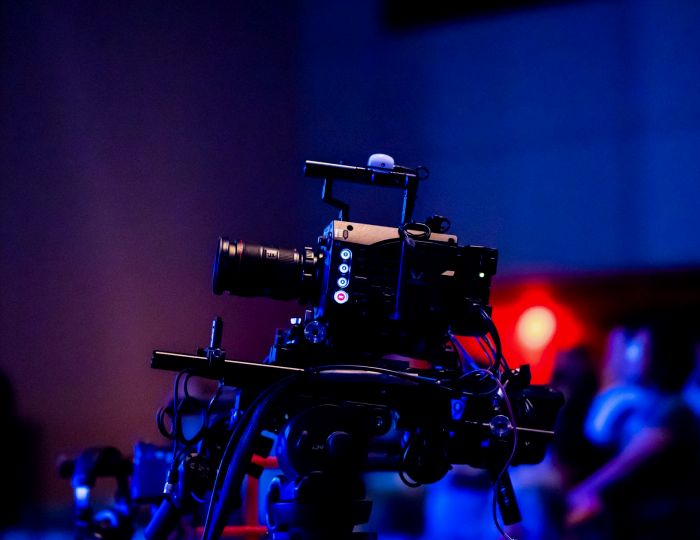
Camera on a news desk
Camera height, distance and lens choice are set so presenters look natural and the desk reads clearly on screen, with enough room for the operator to move.
-
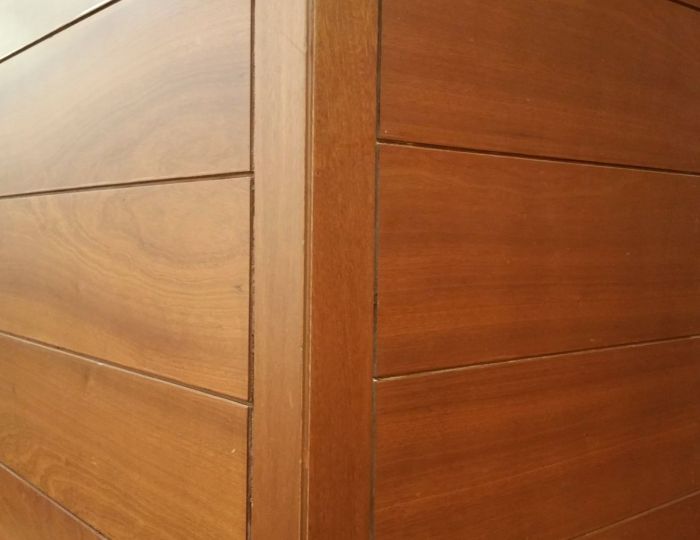
Acoustic panels on studio walls
Treatment is placed after measuring the room, so reflections are reduced where they cause harm and the space still feels natural for speech.
-
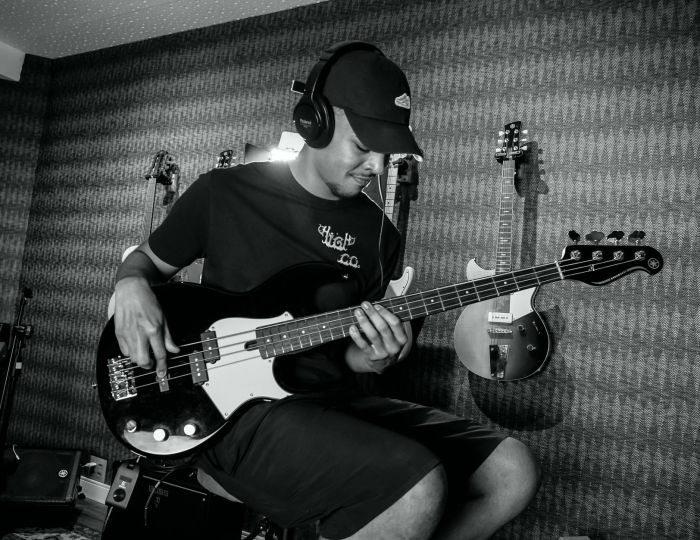
Lighting rig above the set
Fixtures are positioned to give consistent skin tones and gentle shadows, with a plot your crew can recall and recreate for every programme.
-
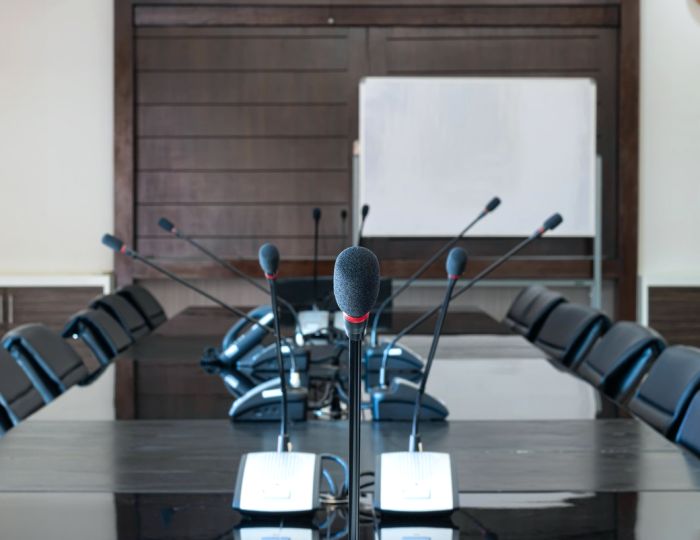
Microphone on an interview set
Microphones are chosen and placed for clear speech without distraction, then tested with real voices at the levels used during live transmission.
-
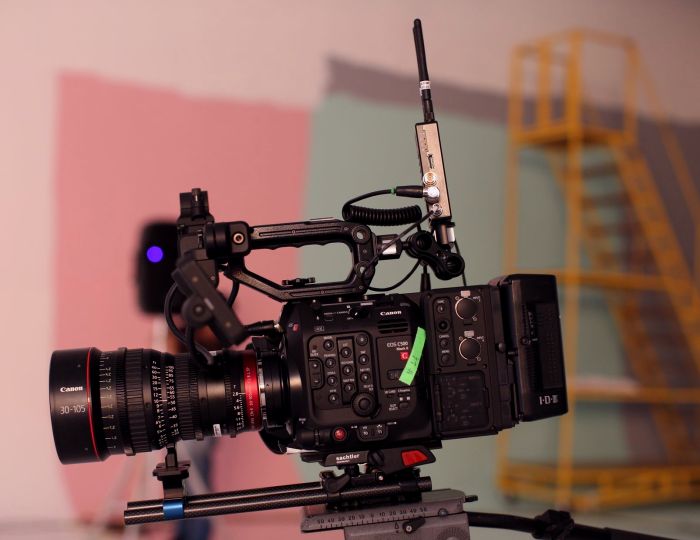
Run-sheet review before rehearsal
The producer and crew go through the run-sheet line by line, agreeing cues, timings and fallback steps so everyone knows their part before going on air.