
A York production hub built around live television
trendreel plans, integrates and rehearses live studio systems for crews who need them to work on the day, from news desks to multi-camera shows.
From the studio floor to a consultancy of our own
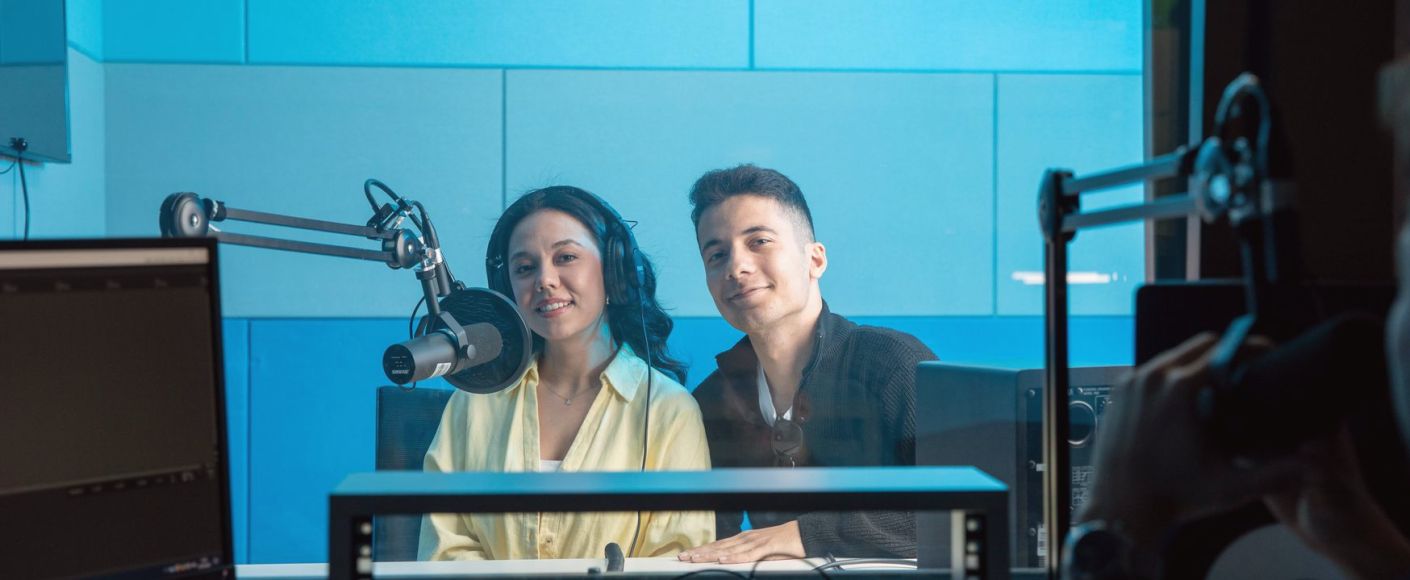
Helen spent years as a studio manager, and she saw the same pattern repeatedly. A studio would be fitted out in pieces, with vision, sound, lighting and intercom each bought and installed on its own, and then the crew would spend months working around the gaps between them. trendreel was set up to treat the studio as one system from the first drawing.
That outlook shapes how we work. We start by visiting the room, talking to the people who will run it and watching a rehearsal where we can. Only then do we draw signal flow, camera positions, lighting plots and microphone plans. Each of those documents is written so the crew can read it on a bad day, not just admire it on a good one.
Our office is at Navigation Yard in York, and the work is done wherever the studio is: broadcasters' galleries, production company stages and venues that host live shows. We keep the team small so the people who plan a job are the same people who commission it and train the crew afterwards.
We prefer plain, well-labelled setups over clever ones. A router panel that a tired operator can understand at a glance is worth more than an elegant design nobody can fault-find. James Whitfield, our senior broadcast engineer, labels every cable and patch point as if someone else will have to repair it at speed, because eventually someone will.
The work does not end when the equipment powers up. We write run-sheets, hold rehearsals and leave checklists with the crew, so the studio keeps running the way it was commissioned after we have gone. Clients usually come back when they add a camera, change a set or move to a new room.
What guides the way we plan and install
Reliability
Reliability means the studio works on the fifth ordinary Tuesday as well as on launch night. We choose proven, serviceable equipment, keep signal paths short, test failure points on purpose and agree fallbacks before transmission. Helen sets the standard for every installation, and nothing is signed off until the crew has run it themselves.
Clarity
Clarity runs through our drawings, labels and conversations. Wiring diagrams, lighting plots and run-sheets are written in plain language so a new operator can follow them. We explain why a choice was made, not only what it is, so the crew can adjust a setup confidently when the programme changes.
Craft
Craft is the care taken over details that viewers never notice directly: a tidy patch bay, a lens matched to the desk distance, a room treated so speech sits cleanly. Priya, James and Tom each bring specialist skill, and we would rather do fewer things well than stretch across everything.
How the business has shaped its way of working
Founded2012
trendreelToday2026
Start with the whole studio
The first jobs showed that fixing one department rarely solved a crew's problems. We began surveying vision, sound, light and cameras together, and drawing one plan. Clients now get a single document that shows how each part depends on the others.
Label everything, document the rest
Early installations were sound but poorly recorded, and crews struggled when we were not there. We began labelling every cable, patch and fixture and leaving clear diagrams. James still commissions each system as though a stranger will have to repair it.
Add specialists the work demanded
As jobs grew, Priya joined to lead lighting and camera work and Tom to handle acoustics. Light, lenses and room sound are closely linked on air, so having specialists in one practice lets us solve them together rather than passing the problem around.
Rehearse before you transmit
Workflow planning came from watching good equipment undone by loose routines. We now write run-sheets and checklists with the crew and test them in rehearsal. The aim is a programme that feels calm at transmission because the difficult decisions were made earlier.
The kinds of teams we work alongside
- Regional broadcasters
- Independent producers
- Production companies
- Live event venues
- News desks
- Interview studios